Massive hailstones ravaged Chablis last year and fires consumed thousands of hectares in Galicia last month: climate change is accelerating. Grape-growing conditions in classic regions simply aren’t the same as even ten years ago, let alone 30. What we hadn’t yet seen was a major producer turning their backs on the appellation system as a result.
That changed last month with Château Lafleur’s announcement that, starting this year, it will withdraw from the Pomerol appellation and label its exalted wines as humble Vin de France. The Guinaudeau family said in their initial release, “Climate is changing fast and hard… We must think, readapt, act. Our decision-making and the resulting practices are in fact evolving much faster than what is authorised in our Appellations of Origin system.” In a second release, they elaborated, “2025 is anything but a normal year, though its climatic conditions will surely become the new norm… we are facing water shortage.”
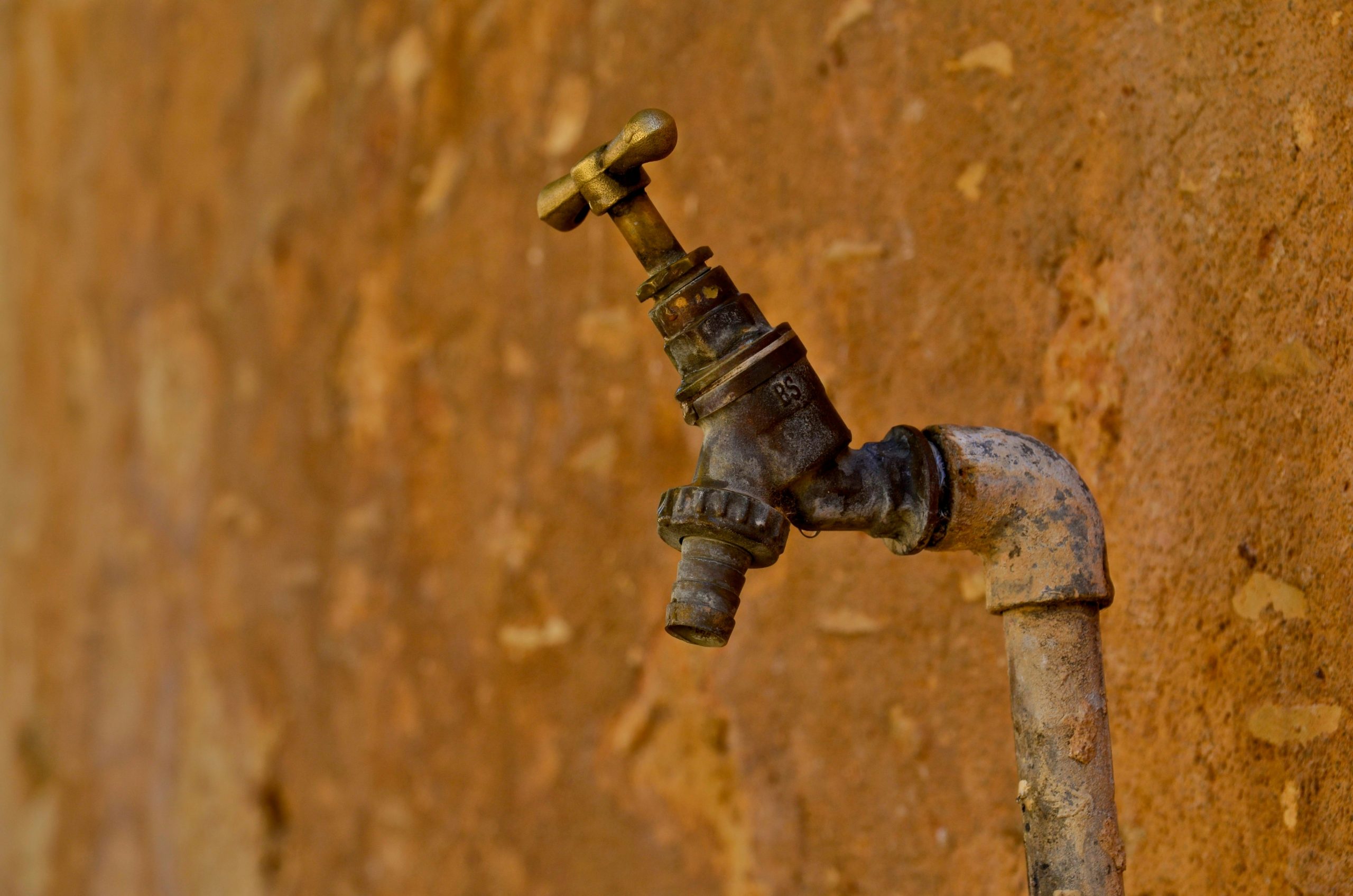
The specific problem Lafleur has with the Pomerol cahier des charges is that, in common with most French appellations, it bans most irrigation – or allows it only in exceptional circumstances and with an unwieldy system of permissions. In a broiling-hot, dry year like this one, that put the harvest at risk.
As a Bordeaux superstar, Lafleur is unlikely to suffer. At around £700 a bottle with UK taxes (2024 release price: €1,031/bt), it’s also of minimal relevance to the vast majority of French winemakers, whether other big names follow it or not.
What the move does help bring into focus is first, how winemakers can respond to climate change: with only partial solutions. Second, it raises more fundamental questions about what this means for the appellation system – and I believe it heralds the system’s effective eventual collapse.
For a start, irrigation isn’t a magic wand for fixing the effects of climate change. In Bordeaux, there simply isn’t the water supply for large numbers of growers to use irrigation regularly: to do so would require a huge programme of construction of reservoirs and associated infrastructure. And if growers pumped more aquifer water, it would just run out, as it already has in some regions dependent on it.
For example, when its vineyards were first planted in Chile’s Maipo Valley in 2001, Ventisquero relied for most of its water there on seven wells. Today all but one have run dry. Elsewhere in Chile, even with more efficient drip irrigation schemes, catastrophic drops in rainfall are calling into question the longer-term viability of grape growing.
Other methods can make vines more resilient to drought and heat, though none will fix the problem. As well as irrigating, Lafleur reduced canopy height by nearly a third, to limit water loss through transpiration, and allowed denser leaf cover to help protect the fruit. Some producers use sunscreen cloth. Hedges and trees around vineyards also create shade and help to moderate temperatures. But European vignerons don’t have the Chilean option of replanting in cooler, wetter southern latitudes such as Bío-Bío or Osorno.
The bottom line is that if you need to irrigate in once-temperate Bordeaux, the terroir has changed irrevocably – and with it, the wines. This makes a nonsense of the idea of typicity central to the appellation system. Burgundians can pretend that a Nuit St Georges at 15 per cent alcohol expresses their terroir as their wines always did: yet 15 years ago it would have been an unthinkable monstrosity.
Since the 1930s, AOC and its progeny abroad have perhaps served a consumer protection purpose, banning cheeky knock-offs such as Australia’s Houghton White Burgundy. But large parts of the regulations’ basic premise are now being rendered obsolete by climate change.
As this reality dawns on more winemakers, we will start to move to a system where identity is determined more by individual reputation than by regulation, as in most of the New World. It will take place by default: the French authorities will never admit there’s anything fundamentally wrong with their rules. But it is arguably happening already in France with the rise of natural winemakers, many of whom reject official strictures on cépage, yield and geography and settle for the Vin de France designation.
To be sure, this creates fresh challenges for domaines less illustrious than Lafleur. It’s not easy for small producers to build up a reputation on name alone, especially when their label cuts them adrift from one’s mental wine geography. In a natural-leaning wine bar last weekend, I had to ask the barman where their Les Bariolés “Moitié Route” red was from: I didn’t know the producer and the Vin de France label gave no clue to its region (Auvergne) or grapes (Pinot Noir and Gamay).
But appellations – which for most consumers act as brands anyway, “Bordeaux”, “Rioja”, “Chianti” – are often of limited use. Witness the contortions in Cava as quality-minded bodegas try to escape the brand damage done by oceans of blah fizz pumped out by the DO’s big two, Freixenet and Codorníu. Colet was first to leave the Cava DO, in 2004. “It was very scary,” says Colet’s Irene Mestre; in fact, it didn’t damage their sales. Yet the breakaways have still felt the need to create their own proto-DOs, principally Clàssic Penedès and Corpinnat.
Winemakers have to sell their wine, whether by reputation or region-brand. But the real challenge now is from climate change. This, rather than rich Bordelais tying themselves in knots over nomenclature, is the story. More marginal regions are in deeper trouble: witness this year’s catastrophic harvests in Santorini and Lanzarote, and the dire mid-term forecasts being made for parts of Catalonia. Even in Bordeaux, it’s not a given that Lafleur be able to make wine from the grapes they do today in 50 years’ time. The time to act is now.
Andrew Neather blogs at https://aviewfrommytable.substack.com/. His new book with Jane Masters MW, Rooted in Change: The Stories Behind Sustainable Wine, is published on 1 October by the Academie du Vin Library.
Photo by Jouni Rajala on Unsplash