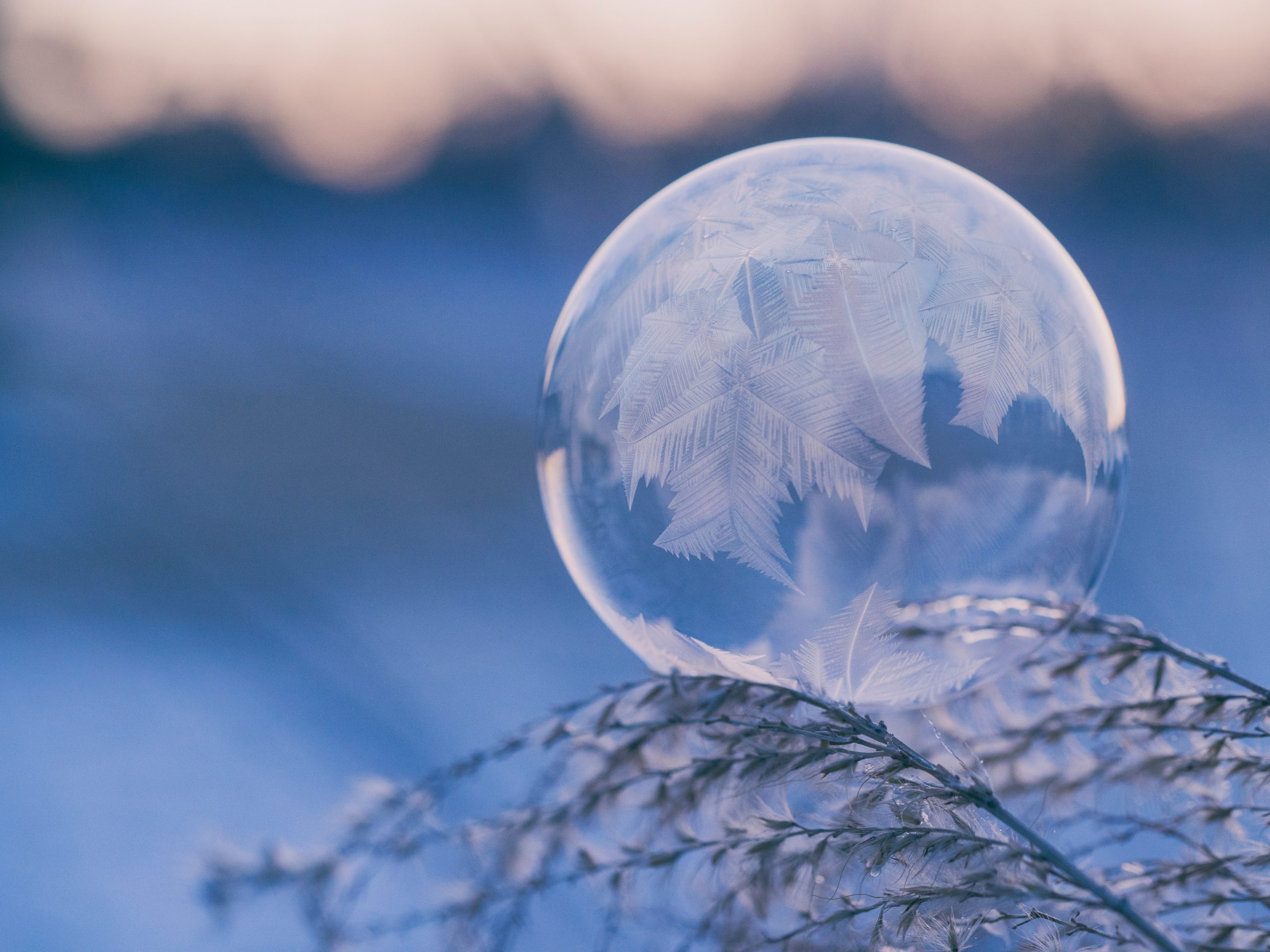
It’s a beautiful season here in Northern California. It’s as if all the plants in the valley have chosen to mark their return to dormancy with a final colorful display of living-leafed fireworks. Here, we pass into winter with radiance, raging against the dying of the light.
I used to mark the changing seasons in France by the fresh market produce and the food on our plates. White asparagus tall like tallow candles and rough and ruddy radishes woke the palate in Spring. Then the cascade of heirloom tomatoes, beans and courgettes turned all meals to Mediterranean feasts, and with the end of lazy days, came summer-plumped figs and dark crimson cherries in the garden. Our greedy golden puppy gorged on them if the birds didn’t beat her to them. Then came my favorite, at the thinning of the veil, an abundance of earthy cèpes and gourdes to comfort the darkening days of autumn with soups.
Here I watch the vineyards, or more precisely the rows between them, and feel the energy in the air change. A wet winter hosts the murmuration of a million tiny birds, then comes the first quickening at the Spring equinox. There is an abundance of green and yellow growth which makes it seem like we are living inside an avocado, slightly suffocating in its richness. The vines give way to mustard flowers, and the air becomes balmy with pollen. Then the vines’ summer foliage throws a more dappled shade for the hares and the coyotes, that lope through tall grasses during the hot afternoons, slow as honey. The second quickening in the air takes you by surprise; blink and you miss the moment but know for sure it has happened, a pulse of life brought by the hustle of harvesting, rows becoming footpaths for pickers. Fall is emblazoned with crimson, burnished, Halloween-oranges that bring the glory back to the vines stripped of fruit but still leafy, before filling the rows once again with debris when the storms finally come to douse the flaming foliage.
Every day, I try to look and feel a little closer, to catch the minutiae of the changing seasons. It’s the privilege of living in an agricultural preserve. This observation I know to be a gift that was given to me by the many people I’ve listened to, watched in their work or learned about through their wines. Over the years I have met so many who have taken their level of understanding of Nature’s cycles far beyond our common acknowledgement of the year’s rhythm. For some, their wine is but a byproduct of their search to understand a deeper, wider, more nuanced interpretation of the intersections of energy. The waning, the waxing, the drag then the momentum of an awakening that subsides again after harvest, is what some seek to capture in a glass. A great vintage is no more nor less than a meeting of a million unseen exchanges between soil, root, rainfall, rays, days, and nights. I have met wine people who lean into their land like gardeners, like Adam paying his dues, begging to return to a sustainable Eden.
There are winemakers and grape growers who tell this story in the market. But it’s a narrative that does not fit easily on a back label. It’s really a story to tell at the table by people bright-eyed with enthusiasm, or maybe it’s just a feeling that’s shared as you pour your guest a second glass. As we have pursued wealth and prestige with a liquid made originally to wash down communal meals and the communion sacrament, I feel we may have lost more than we have gained by building our biggest brands. If consistency is all we offer, we risk removing not only our ability to excite, but more depressingly, the connection created by wine to its land and our seasons.
The reason I applied to study for the MW was because I felt I was moving too far away from the wine in the glass. I wanted something that would bring me back to those early days of awe in London when I joined the wine trade knowing absolutely nothing. And as I continue, the awe is deeper, not satisfied, nor resolved. I never imagined I would feel it was important to convey, somehow, that wine exists because of and between the equinoxes, that planetary alignment and soils shattered by the movement of millennia can give us wines with flavours like the colours seen only by hummingbirds. Yet, here I am.
I blame the soil pit I inspected in a Chilean vineyard, the articles I read on legumes offering symbiotic rhizobia partnership, the research I did on aromatic compounds and cannabis, and the discarded research I wanted to do on wind patterns in vine regions. I am now fascinated by the movement in winemaking, from gravity-flow wineries to sap sensors on vines, from the dynamisation of biodynamic preparations to the stirring of lees. I wonder at egg-shaped tanks, vats lined with the shatter of the surrounding vineyards soils, faith in indigenous yeast. And the people of course, so inspiring to listen to in their flow; Lalou’s discipline, Anne-Claude’s calm, Cathy’s purpose, Berenice’s attic, Annie’s flowering herbs, Molly’s garden, Joe’s irises, and a thousand more. All ignite a curiosity before a cork is even pulled. These are all stories in themselves that may capture the imagination of the health-conscious and the climate-concerned. We should continue to share them to bolster our belief in wine being worthy of a place at the table throughout the year, in celebration of its connection to all Seasons.
I want my wine to taste good and not to break the bank. But while I drink it, I want to know it was marked by the unseen, and thumb-printed by the wild, the wind and the wet, that it is an amalgam of a thousand elements, and made by people who care.
Photo by Aaron Burden on Unsplash